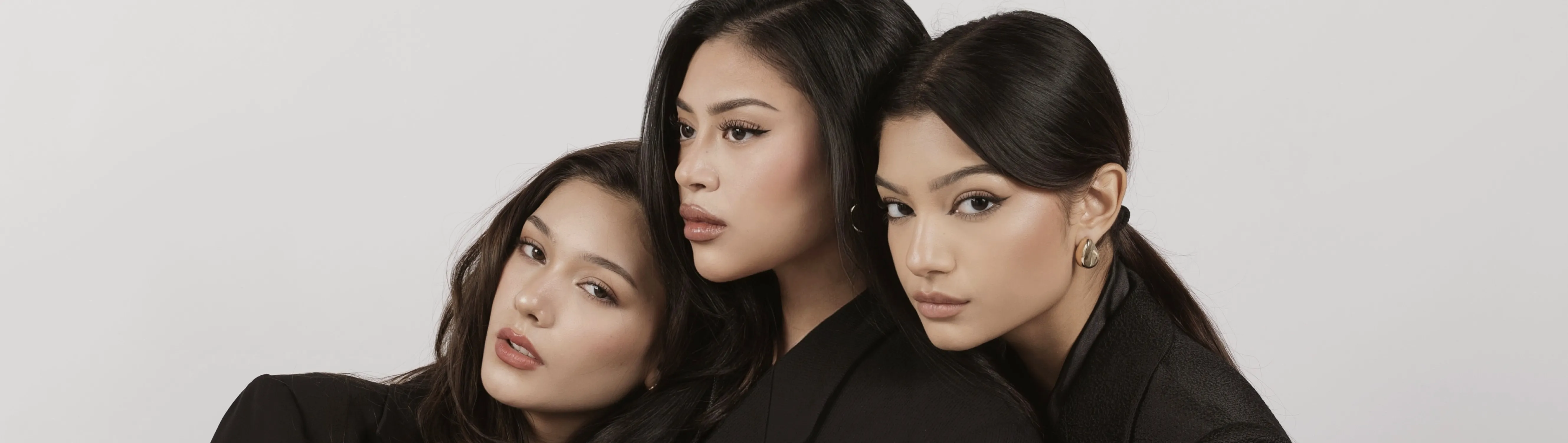
How to Choose a Lash Studio in Metro Manila: A Checklist
Published 2026-07-09 · Updated 2026-07-09 · By Janny Miranda
Published 2026-07-09 · Updated 2026-07-09 · By Janny Miranda
Look for a studio that examines your eyes and lash health before touching them, states its full price upfront, keeps tools visibly sanitized, and paces the appointment to your hair rather than the clock.
That’s the short version. A lash or brow appointment is personal care performed close to your eyes, and a studio’s habits around hygiene, consultation, pricing, and pacing say more about the work than any before-and-after photo can. None of what follows is specific to one studio — it’s a baseline any studio should meet, and a confident one welcomes the questions.
You don’t need to inspect an autoclave to get a sense of a studio’s standards. You just need clear, specific answers instead of a general reassurance.
A studio that answers these without hesitation is telling you hygiene is routine there, not a performance staged for a skeptical client.
A consult means the artist looks at your natural lash health, eye shape, and any sensitivities before deciding on product or technique, not after. It should happen every visit, including for returning clients, since lash health and skin sensitivity both change over weeks and months. A proper consult also means being asked about the ordinary things that affect the service — contact lens wear, recent eye irritation, any past reaction to adhesive or tint — instead of being waved straight into the chair. If you’re trying a product for the first time, a studio should also be able to offer a patch test — a small trial application checked before your full appointment — and explain what it actually screens for if you ask. A studio that skips this step to save a few minutes is optimizing for its own schedule, not for your eyes, and that trade-off is usually the first thing to slip when a studio is overbooked or understaffed.
Pricing you can trust is disclosed before you commit to the chair, not adjusted once you’re already reclined with your eyes closed. You should know upfront what the total comes to, and whether extras — a deeper treatment, extra length, a touch-up redo — carry an added charge, before any of it happens. A studio that publishes a full, itemized services menu and quotes it the same way whether you booked by DM or walked in is one where the number you agreed to is the number you actually pay.
A rushed appointment usually shows itself early: little to no consult, product going on within a minute of sitting down, or an artist who seems to be watching the clock rather than your lashes. Proper pacing looks different. The artist checks your hair thickness, adjusts the timing accordingly, and doesn’t treat your appointment as interchangeable with the one before or after it. This is one area where an artist’s own experience matters directly, which is part of why Janny Miranda’s background as MIRA’s founder and sole artist is worth knowing before you book anywhere — hers or otherwise — since experience is what makes accurate timing possible at all.
Ask, before you book, what happens if you feel stinging, unusual heat, or discomfort partway through. A studio should have a clear answer: stopping the service, removing or rinsing the product, and telling you what signs would need follow-up care afterward. If a studio can’t describe this without hesitating, that’s worth knowing before you’re in the chair, not after — and it’s worth asking alongside anything you read about lash lift safety.
Aftercare shouldn’t be something you have to request — it should be offered as a normal part of finishing the appointment. That means being told what to avoid in the first day or so, what sensations are ordinary, and what would be worth sending a follow-up message about. A studio that treats aftercare as an afterthought, or skips it once payment is done, is telling you something about how it views the rest of the relationship too.
A few signs are worth treating as decisive rather than minor:
Any one of these on its own is worth a second thought. Several together are a reason to book elsewhere.
None of this requires special expertise to check — it requires asking, and paying attention to how directly a studio answers. If you’re comparing options across Metro Manila, run this list against each one before you book, not just the studio you’re already leaning toward. MIRA takes appointments through Instagram DM at @miralashstudios or its /book page, and either way, the questions above are worth asking before the questions of style or price ever come up.
Questions on this topic
Answered the same way you'd hear it in the chair.
Yes, especially on a first visit to a studio or with a new adhesive or lift solution. A patch test means a small amount of product is applied, often behind the ear or on the inner elbow, and left for a short window before your full appointment to check for a reaction. A studio that offers this without being asked, or explains clearly why it skips it for a returning client with a known history, is treating your eyes as more than a transaction.
Ask how tools are sanitized between clients, whether a consult happens before any product touches your eyes, what the full price includes, and how long the appointment usually takes. Ask what happens if you have a reaction during or after the service, and what aftercare you'll be given before you leave. A studio that answers directly, without sounding rehearsed, is a good sign. Vague answers or pressure to 'just trust us' are worth noting before you commit to a booking.
Not automatically — the format alone doesn't guarantee quality. What matters more is whether the artist gives you undivided attention, follows consistent hygiene practices, and paces your appointment properly instead of fitting you between other clients. A one-client-at-a-time setup makes that easier to maintain, since there's no incentive to rush a service to free up a chair. A salon chain with a disciplined artist can still meet the same standard, so ask the same questions either way.
Fair pricing is stated before you sit down, not negotiated mid-service. You should be told the full cost of the exact service you're booking, and whether anything — a stronger solution, added length, a redo — costs more, before it's applied. If a studio quotes one price over Instagram DM or on its site and then adds fees once you're already in the chair, that's a pricing problem regardless of whether the original number was reasonable.
A trustworthy studio treats hygiene as routine, not a special show staged for a skeptical client. That means disinfecting its tools as a matter of course between clients, treating disposable items — think mascara wands or eye pads — as genuinely one-time use, and keeping the treatment area tidy enough that you're never stepping into someone else's leftover setup. If you ask what product is going near your eyes, you should get a quick, specific answer, not a vague one.
Timing should track your own lash or hair thickness, not a fixed slot on a schedule. If the consult is skipped, or product goes on within a minute of you sitting down, the appointment is likely being fit into a calendar rather than matched to you. At MIRA, for example, a Lash Lift + Tint runs about ninety minutes because that includes the consult and is timed to the client's own hair — that kind of pacing is worth asking about anywhere you go.
You should leave knowing what to avoid for the first day or so — typically water, steam, oil-based products, and touching or rubbing the area — and what sensations are normal versus what would need follow-up. A studio should walk you through this before you leave, not expect you to search for it later. If you have to ask for aftercare guidance rather than being offered it, that tells you something about how the studio operates.
No consult at all is the biggest one — if product is going on before anyone has looked at your eye shape, lash health, or asked about allergies, that's a shortcut. Others include an artist who can't answer basic questions about tools or products, pressure to add expensive extras on the spot, and pricing that changes once you're already in the chair. Any single one is worth pausing over; more than one is worth leaving over.
Keep reading
Brow lamination resets and restyles brow hair without pigment or needles. What it is, how it differs from microblading and waxing, and what it costs at MIRA.
A calm, honest walkthrough of your first visit to MIRA Lash Studios: how to prepare, what the private suite feels like, and what happens right after.